Hamlet Expansion Simulator
Reviews
Description
From Settlement to Town
Hamlet Expansion Simulator begins with a modest patch of land and a handful of settlers. The first priorities are practical: build basic shelters and food sources so everyone has a place to sleep and something to eat. Once those needs are met, construction shifts toward workshops and market stalls. This early phase is about establishing a stable foundation rather than rushing toward large projects. The pacing encourages players to think about what their settlement needs next instead of simply placing every available building.
Resource Chains and Upgrades
The core loop revolves around generating resources through assigned workers and buildings. Wood, stone, and food serve as the primary materials for construction and upgrades. Each villager role contributes to a production chain where raw materials become more valuable goods. Upgrading facilities raises output efficiency, which in turn allows faster expansion. The tension lies in balancing immediate needs, such as keeping everyone fed, against long-term investments that pay off later. That balance is what keeps steady growth from stalling.
Villager Roles and Specialization
Settlers can be assigned to professions such as farmer, carpenter, or trader. Each role unlocks new production possibilities and building types. A farmer provides food, a carpenter processes wood into planks, and a trader brings in rare goods from outside the settlement. As the population grows, further specialization becomes possible, creating a diverse economy that can support larger structures like a town hall or a cathedral. Choosing which roles to fill first shapes how quickly the settlement can expand.
Offline Progress and Return Rewards
The idle system keeps the settlement generating resources even when the game is closed. On returning, players find accumulated materials and gold ready to be reinvested. This design suits short play sessions, since meaningful progress happens without constant attention. The interface provides clear summaries of what was produced while away, so players can decide where to direct the next round of construction. That feedback loop makes it easy to pick up the game after a break and immediately continue growing.
Landmarks and Visual Growth
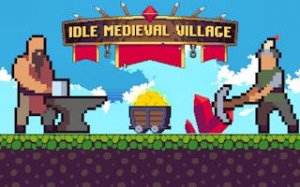
Later stages introduce landmark buildings that provide significant boosts to resource production or unlock new capabilities. A stone bridge might improve trade routes, while a grand cathedral could attract more settlers. These projects require careful planning and resource allocation, giving players satisfying long-term goals. Each landmark also changes the visual appearance of the town, reflecting its growth and prosperity. The warm medieval aesthetic, with detailed buildings, animated villagers, earthy tones, and soft greens, reinforces the relaxed pace and encourages experimentation without pressure.
Compatibility
Faq
Player Comments
Sign in to comment
You must be logged in before posting a review or rating.
No comments yet. Be the first to comment!










Editorial Notes