← Back to Games

Color Block Placement Puzzle
Developer: Centaur Veil Digital
Published: 2026-10-01
Updated: 2026-10-01
Loading Game Image...
Reviews
Color Block Placement Puzzle delivers a focused logic challenge without timers or scoring pressure. Its strength lies in the interplay between block rotation and grid variety, which keeps each layout from feeling routine. The gradual difficulty curve supports both children developing spatial skills and adults seeking a quiet mental break. The main limitation is that the input does not specify additional modes or features beyond the core placement mechanic, so players wanting variety beyond grid shapes may find it limited.
Description
Fitting Blocks Into Every Cell
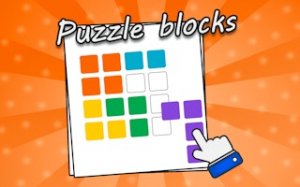
The goal is straightforward: drag colored blocks from the side panel onto a grid and arrange them so no empty cells remain. Each block has a fixed shape, and rotating it changes which cells it can cover. Success depends on spotting how different pieces complement each other before you commit to a placement. Because there is no timer, you can study the board and test orientations at your own pace.Grid Variety and Puzzle Design
Not every board is a simple square. Some grids are small and regular, while others use irregular outlines that force you to think about edges and corners differently. This variation means a block that fits neatly on one layout may need a completely different orientation on the next. The shifting geometry keeps each puzzle from feeling like a repeat of the last.Controls and Interaction
Selecting and dragging blocks is the core interaction. You can rotate blocks to explore alternative orientations, and the interface stays out of the way so the puzzle itself remains the focus. There is no penalty for trying a piece in the wrong spot, which encourages experimentation rather than hesitation.Difficulty Curve and Audience
Early puzzles introduce the basic fit-and-rotate idea with simple grids. Later stages demand more forward planning, since a block placed early can limit where remaining pieces will go. The gradual ramp gives newcomers room to build spatial reasoning skills, while experienced players get puzzles that reward careful sequencing. The absence of scoring pressure and mature content makes it suitable for children and adults alike.Compatibility
✅ Works on PC & Mobile | Recommended: Chrome / Safari / Edge
Faq
Is Color Block Placement Puzzle timed or scored?
No. The game has no timers or scoring pressure, so you can take as long as you need to find the right fit. This design choice makes it a low-stress activity where the only goal is completing the grid, not beating a clock or chasing a high score.
Can I rotate blocks in Color Block Placement Puzzle?
Yes, blocks can be rotated to explore different orientations. Rotation is essential because a shape that does not fit in one direction may cover the needed cells when turned. Experimenting with orientations is part of the core puzzle-solving process.
What makes the grids in Color Block Placement Puzzle different from each other?
Grids vary in shape and size. Some are small and square, while others have irregular outlines that change how blocks must be placed. This variety prevents puzzles from feeling repetitive and forces you to reconsider familiar shapes on each new layout.
Is Color Block Placement Puzzle suitable for children?
Yes. The game contains no violent or mature content, and its simple drag-and-rotate controls are easy for children to understand. It also offers practice in spatial reasoning, making it both entertaining and mentally engaging for younger players.
Does Color Block Placement Puzzle get harder over time?
Difficulty increases gradually. Early levels serve as a gentle introduction to the block-fitting mechanic, while later stages require more strategic planning. This progression provides a steady sense of accomplishment without becoming frustrating for most players.
Do I need to place blocks in a specific order in Color Block Placement Puzzle?
The game does not enforce a strict order, but placement order matters. A block placed early can occupy space that a later piece needs, so thinking a few moves ahead helps. You can always adjust by moving pieces if the layout allows.
Player Comments
Sign in to comment
You must be logged in before posting a review or rating.
No comments yet. Be the first to comment!








Editorial Notes