Tactical Command: Base Defense
Reviews
Description
Base Building and Resource Flow
Your base operates as a production engine. Constructing and upgrading buildings generates resources continuously, even while you are offline. This idle progression mechanic means you return to a stockpile of materials ready to spend on new structures or card packs. The layout and upgrade choices you make determine how quickly you can field stronger decks, creating a direct link between base management and battlefield performance.
Deck Construction and Unit Synergy
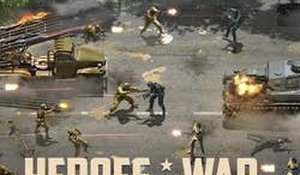
Cards represent specific military units from different historical periods, including armored vehicles, long-range artillery, and ground troops. Some cards feature historical commanders who grant unique bonuses. Before each mission, you select a limited number of cards, forcing you to balance unit roles. Certain combinations cover each other's weaknesses, while others leave gaps that enemies can exploit. Experimentation is part of the strategy, not an optional extra.
Campaign Missions and Objectives
The single-player campaign presents a series of missions on a map. Each mission has a distinct objective, such as capturing a location or defending against waves of enemies. As you progress, objectives become more complex, requiring you to adjust both your deck and base layout. Completing missions rewards new cards and resources, which feed back into base upgrades and unlock harder challenges. The campaign functions as a training ground for understanding unit strengths and weaknesses.
Competitive Matches and Ranking
Beyond the campaign, you can face other players in real-time matches. These encounters demand quick decisions about unit deployment and resource allocation. Performance earns medals that contribute to a global ranking. Watching how opponents build their decks and position units can reveal tactics you had not considered. Because no two matches unfold identically, the competitive mode adds lasting replayability and a reason to keep refining your base and deck.
Controls and Visual Style
The entire game is designed for mouse-only control. Menus are clearly laid out, and unit commands are issued with simple clicks. This straightforward scheme keeps the focus on strategic decisions rather than complex input. Unit models are rendered with period-appropriate details, and battlefield environments vary. The visual style supports the historical theme without graphic content, maintaining a presentation suitable for a wide audience.
Compatibility
Faq
Player Comments
Sign in to comment
You must be logged in before posting a review or rating.
No comments yet. Be the first to comment!









Editorial Notes