Nurture the Oak: A Gentle Puzzle
Reviews
Description
Balancing Sunshine and Water
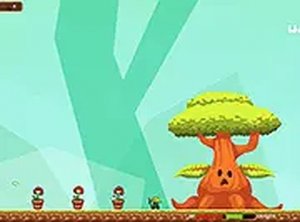
In Nurture the Oak, the central task is straightforward: keep a steady supply of two resources—sunshine and water—flowing to a single oak tree. These resources come from interactive plants that appear periodically on the screen. Clicking or pressing a key activates a plant, which then sends its resource toward the tree. The puzzle lies in timing and distribution: if one resource arrives too heavily while the other lags, the tree's growth may stall. You must watch the flow and adjust your activations to maintain a consistent balance.
Pixel Art and Peaceful Atmosphere
The game uses pixel art graphics with soft colors and gentle animations, creating a nostalgic and soothing environment. Visual details focus on natural elements, such as the textured bark of the oak and the bright petals of helper plants. This aesthetic supports the relaxing tone, making each session feel like a quiet break in a woodland setting. The absence of harsh sounds or sudden events reinforces the calm experience.
Simple Controls, No Pressure
Designed for desktop browsers, Nurture the Oak relies on basic mouse clicks or keyboard inputs. There are no complex menus or tutorials to learn; you can start playing immediately. A full-screen mode is available to minimize distractions. The game does not impose strict timers or failure states, so you can proceed at your own pace. This accessibility makes it suitable for players of all ages and skill levels.
Gradual Growth and Repeat Visits
Each session revolves around caring for one oak tree. The primary reward is visual: as you manage resources well, the tree grows taller and fuller. This gentle progression encourages short, repeated visits without demanding long-term commitment. There is no penalty for stepping away or making mistakes, which keeps the experience low-stress and inviting for casual play.
Compatibility
Faq
Player Comments
Sign in to comment
You must be logged in before posting a review or rating.
No comments yet. Be the first to comment!









Editorial Notes