Phantom Liberation Classic Arcade
Reviews
Description
Core Possession Mechanic
The defining feature of Phantom Liberation Classic Arcade is the possession system. Instead of directly attacking, the ghost protagonist can merge with any enemy on screen, gaining access to that character's unique movement style and attacks. This creates a dynamic where each encounter becomes a puzzle: which foe offers the best tool for the current obstacle? Some enemies may have higher jumps, others might break barriers, and a few could provide temporary invincibility. Mastering this swap mechanic is essential for navigating the varied stage layouts.
Cooperative Play Structure
Designed from the ground up for two players, the game allows friends to work together through each level. One player can distract enemies while the other searches for hidden keys. The cooperative element adds a layer of strategy, as players can coordinate possessions to clear paths or solve environmental challenges. The screen keeps both characters visible, ensuring that teamwork remains central to progression. This mode makes the game particularly suitable for siblings or friends looking for a shared challenge.
Stage Design and Objectives
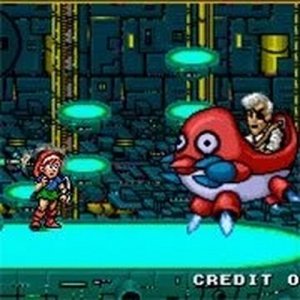
Each level presents a distinct environment, from dim corridors to outdoor courtyards. The primary goal is to locate and collect a set of keys that unlock the final cell holding the captive loved one. Along the way, players encounter moving platforms, gaps, and hazards that require precise timing. Some stages include boss-like enemies that demand careful observation of attack patterns. The variety keeps the gameplay fresh, and the key-collection objective gives clear purpose to exploration.
Visual and Audio Style
The game adopts a pixel-art aesthetic reminiscent of early 1990s arcade cabinets. Characters are clearly defined with bright colors against darker backgrounds, making it easy to distinguish enemies and items. The soundtrack uses chiptune melodies that shift with the mood of each stage, from tense exploration themes to upbeat victory cues. This retro presentation is faithful to the era while remaining accessible to modern players who appreciate classic visual design.
Progression and Difficulty Curve
Early stages introduce basic movement and possession mechanics, allowing new players to learn at a comfortable pace. As the adventure continues, enemies become more varied and obstacles require faster decision-making. The game rewards practice and observation rather than memorization, so each attempt feels like progress. Power-ups appear occasionally, offering temporary boosts like increased speed or the ability to phase through certain barriers. This gradual ramp in difficulty ensures that the experience remains engaging without becoming frustrating.








Player Comments
Sign in to comment
You must be logged in before posting a review or rating.
No account? Create one
No comments yet. Be the first to comment!